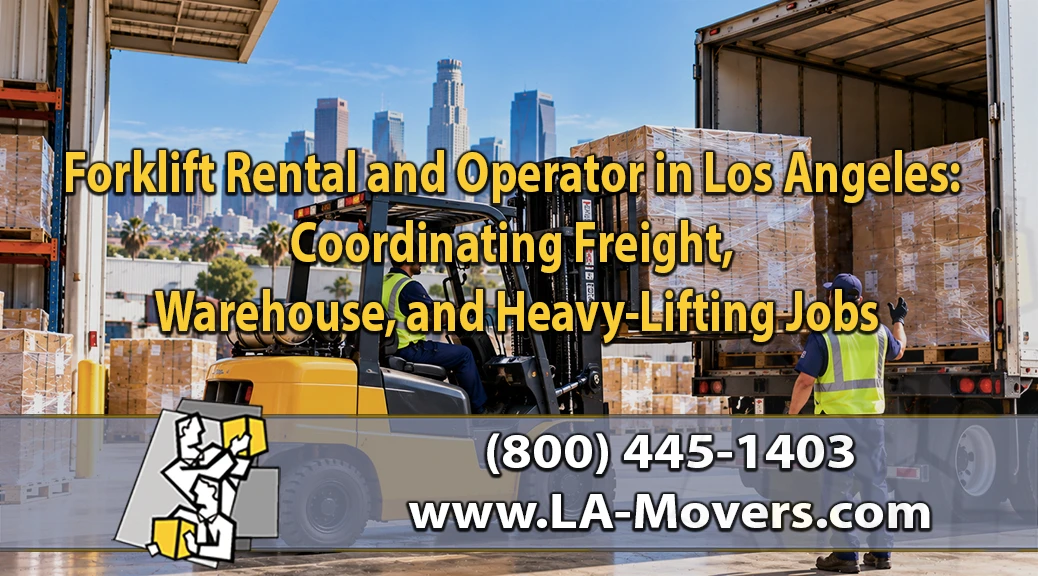
Moving heavy materials in a warehouse, unloading a commercial freight delivery, or positioning bulky equipment can require more than a team of workers and a suitable vehicle. When cargo is too heavy to move manually or needs to be lifted to a specific height, having the appropriate material-handling equipment becomes an important part of the job.
For businesses in Los Angeles, forklift rental and operator services can provide practical support for projects that require temporary lifting capacity. Rather than purchasing equipment for a single job or a short period of increased demand, businesses can explore rental options that match the project’s requirements.
However, arranging a forklift is only one part of the process. The load must be assessed, the work area prepared, access confirmed, and the lifting operation coordinated with the people responsible for the site. These details become especially important when a forklift is being used to unload freight, move warehouse inventory, or position heavy commercial equipment.
LA Movers offers forklift rental and operator services in Los Angeles for commercial, industrial, and construction-related needs. Understanding how to coordinate the equipment, operator, and worksite can help businesses prepare for their projects more effectively.
When Does a Business Need Forklift Rental and an Operator?
Businesses do not necessarily need a forklift every day. Some require lifting equipment only when receiving a large shipment, relocating warehouse inventory, installing equipment, or completing a commercial project.
Renting a forklift with an operator can be worth considering when a business needs temporary material-handling support but does not have suitable equipment or an available qualified operator for the task.
For example, a warehouse receiving a delivery of palletized inventory may need assistance transferring the goods from a truck to a designated storage area. A construction site may need suitable equipment to move materials within an approved work zone. A commercial facility receiving heavy machinery may need a coordinated lifting arrangement to position the equipment.
In each case, the requirements depend on the load, the site conditions, and the work to be completed.
Before arranging a rental, consider whether the task involves lifting, unloading, transporting materials within a facility, or positioning an item at a specific location. Explaining the actual job helps a service provider understand what equipment and support may be appropriate.
Forklift Support for Freight Deliveries and Unloading
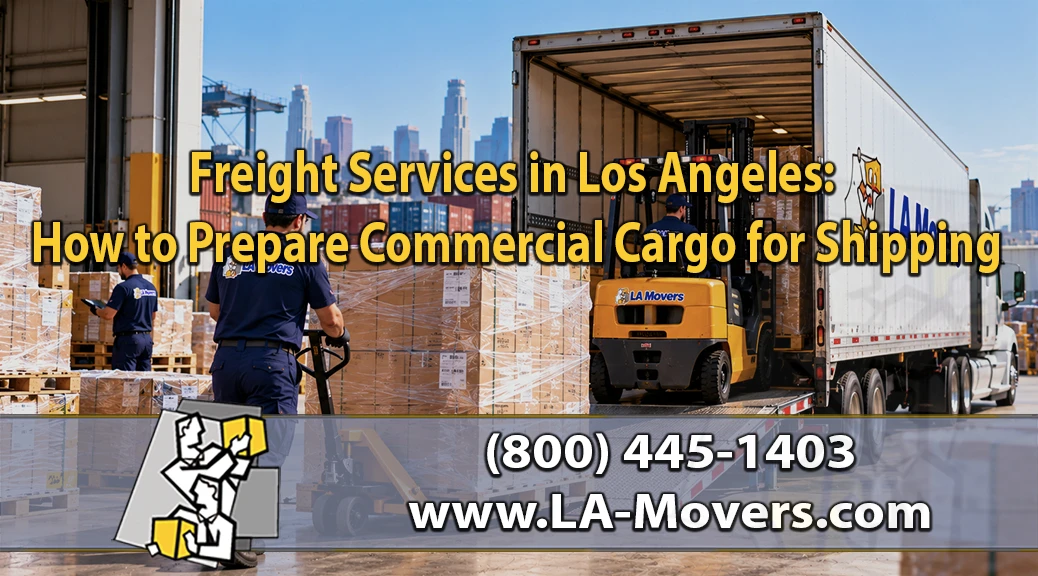
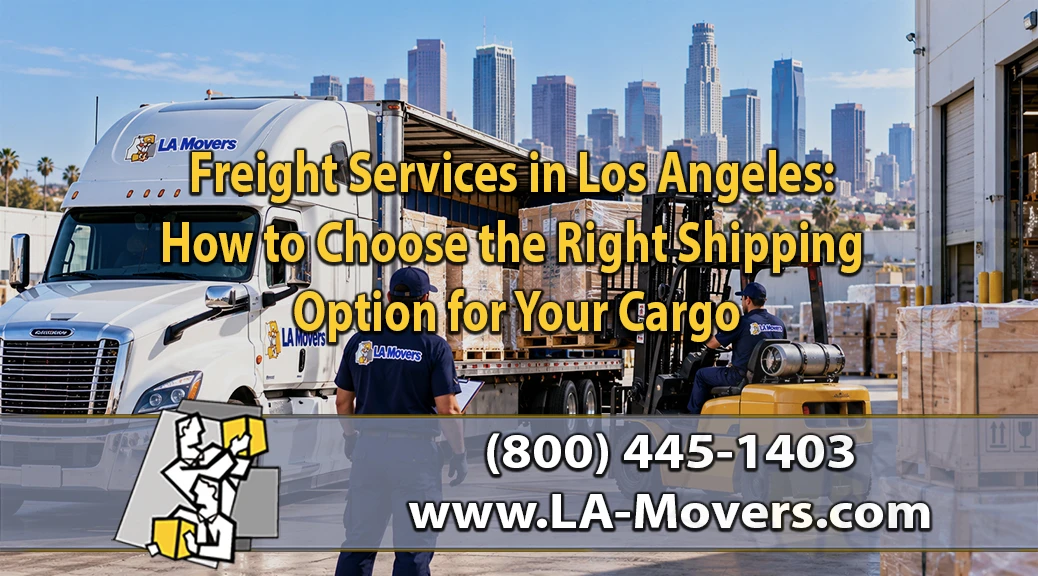
Freight deliveries can create additional work for businesses that receive heavy or palletized cargo. Even when the shipment arrives on schedule, the receiving location must have a suitable way to unload the goods and move them to their intended destination.
A forklift may be appropriate when the cargo is compatible with forklift handling and the receiving site has suitable access and working conditions. The arrangement depends on the vehicle, the cargo, the unloading area, and the equipment available.
Preparing for a Scheduled Delivery
Preparation should begin before the freight vehicle arrives. Confirm the expected delivery window, the quantity of cargo, the approximate dimensions and weight of each load, and the location where the goods need to be placed.
It is also important to understand how the cargo is packaged. Palletized goods may be easier to handle with a forklift than loose or irregularly shaped items, but the pallet and load must still be suitable for the proposed lifting method.
If the shipment includes unusually heavy items, machinery, or cargo with specific lifting requirements, provide that information in advance. Photographs and equipment specifications may help explain the job more clearly.
The receiving business should also identify the person responsible for coordinating the delivery. That person can communicate with the driver, site staff, and forklift operator so everyone understands the planned unloading arrangements.
Coordinating the Unloading Area
The unloading area needs to be suitable for the vehicle, the forklift, and the load being handled. Check that there is sufficient working space, an appropriate surface, and a clear route to the designated placement area.
Vehicle positioning is another important consideration. The unloading plan should account for where the truck will stop, how cargo will be accessed, and whether the forklift can maneuver safely around nearby structures or other vehicles.
If the site has limited space, narrow access routes, overhead obstructions, or restricted operating hours, discuss these conditions before scheduling the service.
A clear unloading plan helps the team understand the intended sequence of work and identify potential problems before equipment arrives.
Businesses arranging freight transportation may also find it useful to review LA Movers’ freight services in Los Angeles, particularly when freight delivery and material handling need to be coordinated as part of a larger commercial project.
Using a Forklift for Warehouse Operations
Warehouses often need to move materials between receiving areas, storage locations, staging zones, and dispatch points. When a business experiences a temporary increase in inventory or needs to reorganize its space, additional lifting capacity may help with specific tasks.
A rented forklift may be useful when receiving a large shipment, moving compatible palletized inventory, or reorganizing a storage area. The equipment must be appropriate for the loads, available space, required lift height, and operating environment.
Moving Pallets and Inventory
Pallet handling requires attention to both the cargo and the equipment. The load must be within the forklift’s rated capacity under the actual operating conditions, and its weight should be distributed in a way that allows safe handling.
Before moving pallets, confirm their condition and check that the goods are stable. Damaged pallets, shifting cargo, or poorly distributed weight can create additional hazards.
The destination should also be prepared. Identify the intended storage or staging area and make sure the route is clear of people, obstacles, and other activities that could interfere with the operation.
A planned movement sequence can reduce unnecessary repositioning. For example, a warehouse receiving several pallets may benefit from identifying where each load belongs before unloading begins.
Reorganizing Warehouse Space
A warehouse reorganization may involve moving inventory, clearing storage areas, changing staging arrangements, or making room for new equipment.
Before bringing in a forklift, review the proposed layout and identify which materials need to be moved. Consider aisle widths, storage heights, floor conditions, overhead clearance, and pedestrian movement.
Not every forklift is suitable for every warehouse. The machine must fit the working environment and be capable of handling the loads at the required height. Site conditions and the equipment manufacturer’s specifications should guide the selection.
LA Movers describes forklift rental and operator services for warehouse and material-handling work. You can review its forklift rental and operator services to learn more about the service and discuss your project’s requirements.
Handling Heavy Commercial Equipment
Commercial equipment can be difficult to move because of its weight, dimensions, shape, and designated lifting points. Industrial machinery, large components, and other heavy items may require a carefully planned handling process.
A forklift can be suitable for some loads, but it should not be assumed to be the correct solution for every heavy item. Certain equipment may need a crane, hoist, specialized rigging, or another lifting method.
The first step is to obtain accurate information about the item. Confirm its weight, dimensions, center of gravity where known, and any manufacturer instructions relevant to lifting or movement.
Next, review the route from the pickup point to the destination. Doorways, floor conditions, ramps, overhead clearance, and turning space can affect whether the equipment can be moved as planned.
The site should also be assessed for the load and the machine. A suitable lifting arrangement must account for the forklift’s rated capacity, the load’s position, the operating surface, and the conditions under which the work will take place.
If the equipment is delicate or requires technical disconnection, preparation, or installation, arrange for qualified personnel to handle those tasks. The physical movement of an item does not automatically include technical installation or recommissioning.
Providing these details when requesting forklift rental and operator services helps establish whether the requested equipment and service are suitable for the project.
Forklift Rental for Construction and Outdoor Projects
Construction and outdoor work can present different challenges from indoor warehouse operations. The surface may be uneven, access may change as the project progresses, and materials may need to be moved through a designated work zone.
Some outdoor jobs may require a forklift designed for rougher terrain. However, the appropriate machine depends on the surface, load, lifting height, available space, and manufacturer specifications.
Before scheduling the equipment, describe the site conditions accurately. Explain whether the work area is paved, compacted, sloped, or otherwise uneven. Identify any access restrictions and provide details about the materials that need to be moved.
It is also useful to coordinate the forklift work with other activity at the site. Construction materials may be arriving while other workers are completing separate tasks. Establishing a designated operating area and a clear movement plan can help prevent conflicting activities.
If materials are being delivered by truck, confirm where the vehicle will stop and how the goods will be transferred to their destination. The receiving area should be ready before the lifting operation begins.
For projects involving heavy or bulky equipment, discuss the task with the provider rather than assuming that a standard warehouse forklift will meet the requirements.
Choosing the Right Forklift for the Job
Selecting equipment begins with understanding the task. A forklift that works well in an open warehouse may not be suitable for a narrow indoor area or an outdoor surface with uneven ground.
Load capacity is one of the most important considerations. The required capacity must be assessed using the actual load and the relevant equipment specifications. The weight of the cargo alone does not tell the entire story because load dimensions, center of gravity, attachments, and lifting height can affect capacity.
The operating environment matters as well. Indoor spaces may have restrictions involving aisle width, turning space, ventilation, and floor loading. Outdoor projects may require equipment designed for the site’s terrain and access conditions.
The required lifting height should also be established. If materials need to be placed on elevated storage racks or positioned at a particular height, confirm that the selected equipment is suitable for that task under the intended conditions.
When discussing the rental, provide as much detail as possible about the load, work area, lifting height, and expected duration. The provider can then discuss which options may be suitable.
Avoid choosing a forklift based only on its appearance or maximum advertised capacity. The correct machine must be appropriate for the complete task, not simply capable of lifting the stated weight under different conditions.
Why Having an Operator Matters
Forklift operation requires specific knowledge of the equipment, load handling, site conditions, and safe working practices. Hiring equipment without ensuring that a suitable operator is available can leave a business with a machine it is not prepared to use.
When arranging forklift rental with an operator, clarify the scope of the work and who is responsible for coordinating the site. The operator needs accurate information about the load, the planned movement, the working area, and any restrictions that could affect the operation.
The work area should be prepared before lifting begins. Pedestrians should be kept clear of operating zones, the route should be suitable for the task, and the cargo should be assessed before it is lifted.
The operator must follow applicable workplace safety requirements, equipment instructions, and site procedures. The business arranging the service also has a role in communicating site hazards and ensuring the work area is ready.
For example, if a delivery area is shared with employees or other vehicles, the movement plan should account for those activities rather than relying on the operator to work around unexpected obstacles.
Clear communication is important throughout the job. If the cargo, site conditions, or intended placement changes, the work should be reassessed before proceeding.
How to Coordinate Forklift Rental With Your Project Schedule
Timing can make a significant difference when forklift services are part of a freight delivery, warehouse reorganization, or construction project.
If a forklift arrives before the cargo or the work area is ready, the scheduled time may be used inefficiently. On the other hand, if the shipment arrives before lifting support has been arranged, the business may need to find an alternative way to handle the goods.
Start by identifying the activities that depend on the forklift. These may include truck arrival, unloading, movement to a storage area, equipment positioning, or clearing space for another part of the project.
Confirm the expected duration of each activity as realistically as possible. The job may take longer if cargo is difficult to access, several loads need to be handled, or the route requires additional preparation.
Share the schedule with the people responsible for the shipment and the site. If delivery times are uncertain, discuss how changes will be communicated and whether the service arrangement can accommodate adjustments.
It is also worth clarifying the rental period, minimum booking requirements if applicable, travel or delivery arrangements, and any charges that may apply if the work takes longer than expected.
A realistic schedule helps the business coordinate people, materials, and equipment without making assumptions about how quickly a job can be completed.
What Affects the Cost of Forklift Rental and Operator Services?
The cost of forklift rental with an operator depends on the requirements of the job. Equipment type, rental duration, load characteristics, site access, and the work involved can all influence the estimate.
A short warehouse task involving accessible pallets may require different arrangements from a project involving heavy equipment, limited access, or several loading locations.
The selected forklift is another consideration. Different machines have different capacities, dimensions, and operating capabilities. The equipment needed for a particular job must be assessed against the load and the site conditions.
The duration of the service should also be discussed. Explain how many loads need to be handled, whether the work will take place at one location or several, and whether the schedule has a fixed completion window.
Additional arrangements may be needed for difficult access, special loading equipment, or site-specific requirements. Ask the provider what is included in the quote and whether transportation, setup, minimum rental periods, or additional operating time affect the total price.
For a more useful estimate, provide the job location, preferred date, approximate duration, cargo weight and dimensions, lifting height, and details about the working environment.
You can request information through the LA Movers contact page and explain the material-handling work you need to complete.
Preparing Your Site Before the Forklift Arrives
A well-prepared site helps the operator understand the task and reduces avoidable interruptions.
Begin by clearing the intended route and confirming where the forklift will operate. Remove unnecessary obstacles and establish a suitable area for the cargo to be placed. If the site has pedestrian traffic, arrange for people to remain clear of the operating zone.
Confirm that the working surface is appropriate for the machine and the load. Floor capacity, gradients, surface condition, and overhead clearance may all need consideration, depending on the site.
Make sure the cargo is ready for handling. Pallets should be stable, loads should be identified, and any known restrictions should be communicated before lifting begins.
For a freight delivery, confirm that the vehicle can access the loading area and that the unloading sequence has been discussed. For a warehouse reorganization, identify the intended locations for the materials before moving them.
It is also helpful to designate a site contact who can answer questions and coordinate with the operator. That person should understand the planned work and be able to communicate changes in the site conditions or delivery schedule.
If the job involves unusual loads or complex lifting requirements, the site and equipment arrangements should be assessed by the appropriate qualified personnel before work starts.
Forklift Rental and Operator Services From LA Movers
LA Movers offers forklift rental and operator services in Los Angeles for businesses with material-handling requirements. The company’s service information describes support for activities such as moving pallets, unloading freight, and reorganizing storage spaces.
These services may be relevant when a business needs temporary lifting support for a warehouse task, commercial delivery, or another project involving suitable loads.
The best way to begin is to explain the job rather than simply requesting a forklift of a particular size. Describe what needs to be lifted, how heavy and large the cargo is, where the work will take place, and what the operator will need to accomplish.
Also explain the site conditions, including access, surface type, lifting height, and any restrictions affecting movement. This gives the team a clearer understanding of the project and allows the appropriate arrangements to be discussed.
If the forklift work is part of a larger commercial move or freight operation, mention that as well. Coordinating the different activities can help establish the scope of work and identify which services may be needed.
You can learn more about forklift rental and operator services in Los Angeles or contact LA Movers to discuss your requirements.
Arrange Forklift Support for Your Next Material-Handling Job
Forklift rental and operator services can help businesses handle specific lifting and material-moving tasks without purchasing equipment for every project. However, the success of the job depends on more than the machine itself.
The load, working environment, access route, unloading arrangements, and project schedule all need to be considered. Clear information also helps the service provider understand the work and discuss equipment that may be suitable.
Whether you are receiving commercial freight, reorganizing warehouse inventory, or preparing to move heavy equipment, start by defining the task and preparing the site.
If you need forklift rental and operator services in Los Angeles, contact LA Movers to discuss the load, location, schedule, and handling requirements. A clear description of the job is the best starting point for determining the appropriate service.
Frequently Asked Questions About Forklift Rental and Operator Services
What jobs can forklift rental and operator services help with?
Depending on the equipment and site conditions, forklift services can support pallet handling, freight unloading, warehouse reorganization, and the movement of suitable heavy materials. The correct arrangement depends on the load, lifting requirements, and working environment.
Why rent a forklift with an operator instead of arranging equipment alone?
A rental arrangement that includes an operator provides access to both the equipment and a person assigned to operate it. This may be useful for businesses that do not have an available qualified operator. The scope of the service and site responsibilities should be confirmed before booking.
What information should I provide when requesting forklift rental?
Provide the job address, preferred date, expected duration, load dimensions and weight, lifting height, site conditions, and a description of the task. Photographs and equipment specifications can help explain unusual loads or restricted access.
Can a forklift be used to unload commercial freight?
A forklift may be suitable for unloading compatible freight when the cargo, vehicle, equipment, and site conditions support the operation. The load must be suitable for the forklift, and the unloading area must be prepared for the task.
How do I know which forklift is suitable for my project?
The choice depends on load capacity, cargo dimensions, lifting height, aisle or access width, surface conditions, and the work environment. Provide these details to the service provider so the equipment can be assessed against the requirements.
What affects the price of forklift rental with an operator?
Pricing can depend on equipment type, rental duration, location, load requirements, site access, and the work involved. Additional services or difficult operating conditions may affect the estimate. Ask for a quote based on the complete job requirements.
How should I prepare my worksite before the forklift arrives?
Clear the intended operating area, confirm vehicle access, identify the cargo and its destination, and ensure the surface and route are appropriate for the planned operation. Communicate site hazards and designate someone to coordinate the work.