
Moving a business is very different from moving a home. A commercial relocation can involve office furniture, computers, equipment, inventory, documents, machinery, cubicles, shelving, and other valuable business assets. At the same time, you may need to keep employees productive and minimize interruptions to your customers and daily operations.
That is why choosing the right approach to commercial moving is important.
Whether you’re relocating an office, warehouse, retail space, medical facility, restaurant, or another commercial property, the move requires careful planning and coordination. From preparing furniture and equipment to arranging transportation and setting up the new location, every part of the process can affect how quickly your business gets back to normal.
For businesses in Los Angeles, there can also be additional logistical considerations such as building access, elevators, loading areas, parking, traffic, and property requirements.
LA Movers provides commercial moving services in Los Angeles for businesses of different sizes and types, with services that can include packing, transportation, furniture handling, installation, storage, and specialized commercial moving requirements.
This guide explains what businesses should know before planning a commercial move and how professional commercial movers can help make the relocation more organized.
What Is Commercial Moving?
Commercial moving is the process of relocating a business and its furniture, equipment, inventory, technology, documents, and other assets from one commercial location to another.
Unlike residential moving, commercial relocation is often closely connected to business operations.
A typical commercial move may involve:
- Office desks and workstations
- Cubicles
- Conference tables
- Office chairs
- Filing cabinets
- Shelving
- Computers and monitors
- Servers and IT equipment
- Warehouse inventory
- Retail fixtures
- Machinery
- Medical equipment
- Business documents
- Storage items
- Specialized equipment
The exact scope depends on the business and the type of property being relocated.
LA Movers’ commercial moving services cover a range of commercial environments and include office, warehouse, retail, medical, and other business relocations.
Why Commercial Moving Requires Careful Planning
A business cannot always stop operating simply because it is moving.
Employees still need to work. Customers may still need service. Orders may still need to be processed. Equipment may need to remain operational until the move begins.
This makes timing one of the most important parts of a commercial relocation.
A business may need to coordinate:
- Moving dates
- Employee schedules
- Building access
- Elevator availability
- Loading areas
- Furniture disassembly
- Equipment handling
- IT relocation
- Packing
- Transportation
- Furniture installation
- Storage
- Final setup
A detailed moving plan helps bring these different requirements together.
Professional commercial movers can also work with businesses to develop a customized moving plan based on the size and requirements of the relocation. LA Movers specifically states that its commercial moving services can be customized around individual business needs and schedules.
When Should You Start Planning a Commercial Move?
It is generally better to begin planning as soon as your business has confirmed that it will relocate.
The exact timeline depends on the size and complexity of the move.
A small office may have relatively simple requirements, while a warehouse or large corporate relocation could involve significant inventory, equipment, furniture, and multiple departments.
Early planning gives you time to:
- Review your new space
- Determine what needs to be moved
- Remove unwanted items
- Create an inventory
- Plan furniture placement
- Coordinate with building management
- Organize IT equipment
- Discuss requirements with movers
- Arrange packing and storage
- Communicate with employees
The earlier these details are addressed, the less likely you are to encounter avoidable problems close to moving day.
Create a Commercial Moving Plan
Before moving anything, establish a clear overview of the relocation.
Start by identifying the current location, new location, preferred moving date, and approximate size of the move.
Then consider what will actually be transported.
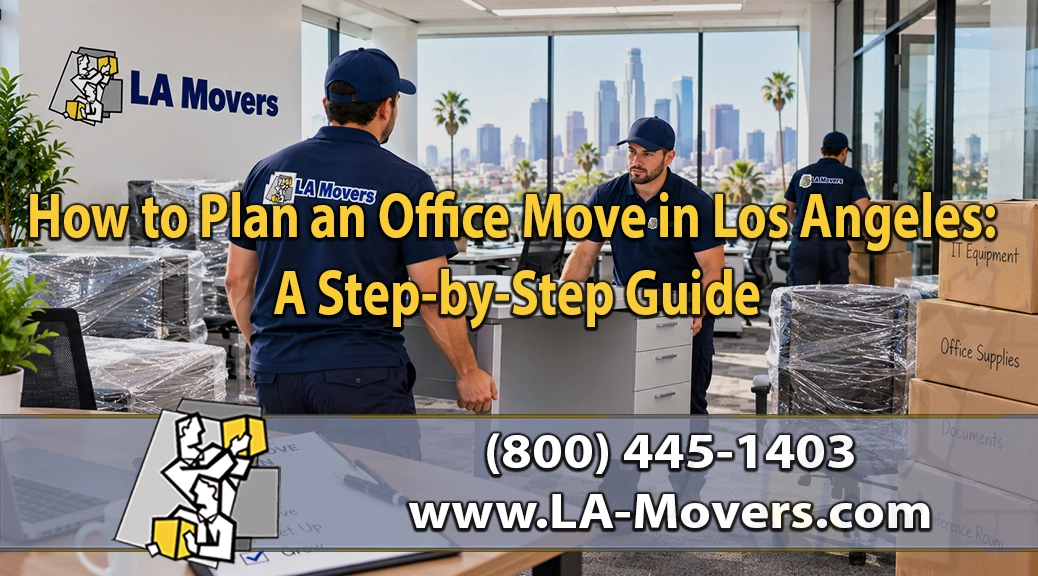
For example, an office may need to move desks, chairs, computers, conference furniture, documents, and storage cabinets.
A warehouse may have inventory, shelving, pallet racks, machinery, and equipment.
A retail business may need to move displays, fixtures, inventory, checkout equipment, and storage items.
Understanding the contents of the move allows you and your moving company to determine the appropriate labor, equipment, transportation, and scheduling requirements.
Decide What Should Move and What Should Not
A commercial relocation is also an opportunity to eliminate unnecessary items.
Businesses often accumulate old furniture, outdated equipment, unused supplies, damaged items, and other materials over time.
Moving everything to the new location may not be the most practical solution.
Before the move, separate items into categories such as:
Items to move:
Furniture, equipment, inventory, and supplies that will be used at the new location.
Items to remove:
Broken, outdated, or unwanted items.
Items to store:
Assets that are not needed immediately but may be required later.
Items to recycle or donate:
Items that are still usable but no longer required by the business.
LA Movers also provides furniture removal services for businesses that need to remove unwanted furniture and other items as part of a relocation.
Handling this before the move can make the relocation more efficient because movers do not have to transport items that your business no longer needs.
Preparing Office Furniture for a Commercial Move
Office furniture is often one of the largest components of a commercial relocation.
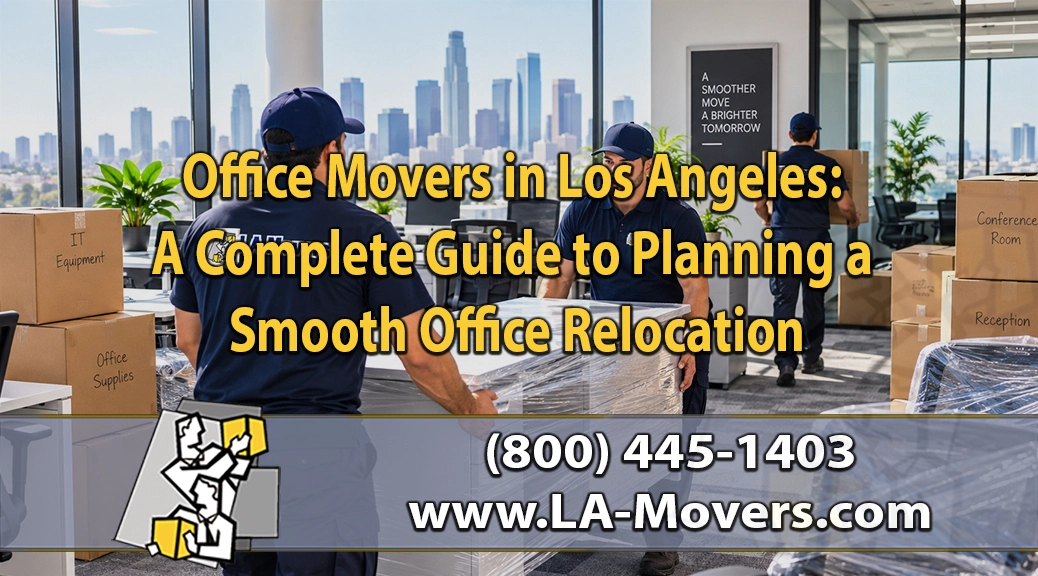
Desks, cubicles, conference tables, cabinets, shelving, and workstations may need to be disassembled before they can be transported safely.
Professional commercial movers can assist with:
- Furniture disassembly
- Packing and protection
- Loading
- Transportation
- Unloading
- Reassembly
- Installation
- Reconfiguration
LA Movers provides commercial furniture installation and describes experience working with modular and office furniture systems. Its commercial moving services also include disassembly, loading, storage, reassembly, and installation.
If your business is moving into a redesigned office, furniture installation can also be coordinated with the new floor plan.
For more specialized office furniture requirements, see Office Furniture Movers
Moving Computers and IT Equipment
Technology is another important part of many commercial relocations.
Computers, monitors, servers, networking equipment, printers, phones, and other electronics require careful planning.
Before the move, determine:
- Which equipment is being relocated
- Which equipment is being replaced
- What needs to be backed up
- What needs to be disconnected
- What requires specialized handling
- Where equipment will be installed at the new location
- When systems need to be operational
Your IT team and moving company should coordinate the physical relocation with the technology setup.
LA Movers offers IT moving and installation services and identifies data center and computer-related moving among its commercial capabilities.
This can be particularly important for businesses where employees depend on computers and network systems to perform their daily work.
Commercial Moving for Warehouses
Warehouse relocation can involve considerably more than transporting boxes.
Businesses may need to relocate:
- Inventory
- Shelving
- Pallet racks
- Machinery
- Equipment
- Workstations
- Packaging supplies
- Heavy materials
The new warehouse should ideally be prepared before inventory starts arriving.
You should know where major equipment, shelving, and inventory categories will be placed.
This can make the unloading process more organized and reduce the amount of time spent moving items around after delivery.
For businesses that require receiving or temporary storage during a relocation, LA Movers also offers receiving and storage services.
Commercial Moving for Retail Businesses
Retail relocations have their own requirements.
A retail store may need to move inventory while also handling displays, shelving, checkout equipment, fixtures, and other customer-facing elements.
The timing of the move can be especially important because a longer closure may affect normal business operations.
A commercial moving plan should consider:
- Inventory
- Store fixtures
- Display furniture
- Shelving
- Checkout equipment
- Backroom storage
- Signage
- Equipment
- New store layout
The goal is to have the new location organized and ready for business rather than simply having everything delivered there.
Commercial Moving for Medical Facilities
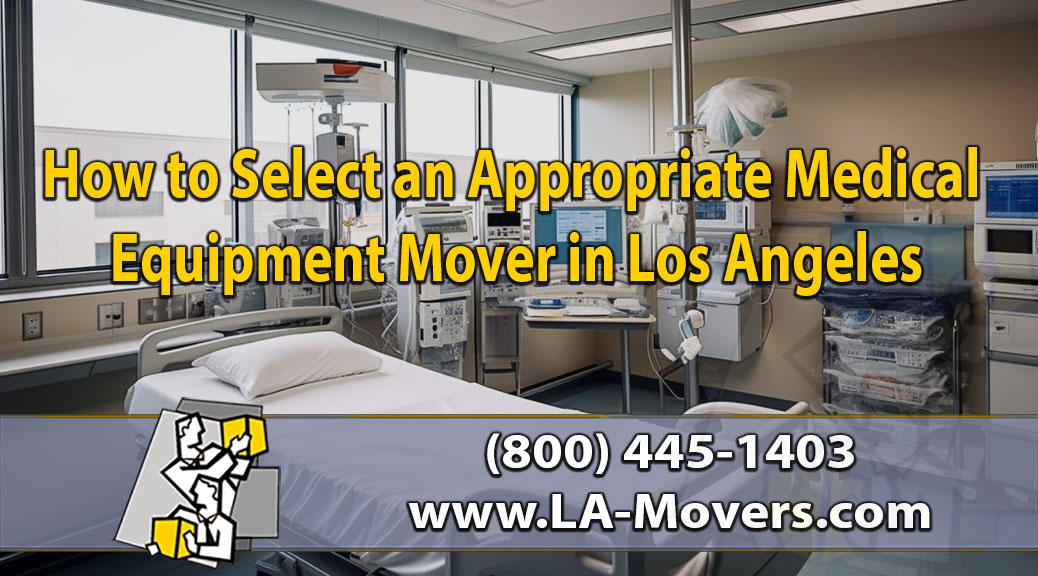
Medical and healthcare relocations can involve specialized equipment and sensitive materials.
A medical facility may need to move:
- Medical equipment
- Office furniture
- Computers
- Records
- Supplies
- Specialized equipment
These relocations require careful coordination because equipment may be valuable, sensitive, or important to ongoing operations.
LA Movers lists medical and healthcare moving among its specialized commercial services.
Businesses planning this type of move should discuss their specific equipment and handling requirements with the moving company before scheduling the relocation.
Restaurant and Hospitality Commercial Moving
Restaurants, hotels, and hospitality businesses may have specialized moving requirements as well.
Restaurant relocations can involve commercial kitchen equipment, refrigeration, furniture, supplies, and other items that are not normally found in a standard office move.
LA Movers provides specialized restaurant moving services and describes planning, packing, and handling of restaurant equipment as part of its approach.
For hospitality businesses, the relocation plan should also account for furniture, equipment, supplies, and the layout of the new facility.
How to Minimize Business Downtime During a Move
Downtime is one of the biggest concerns for businesses planning a commercial relocation.
The objective is not necessarily to make the move happen as quickly as possible. Instead, the goal is to coordinate the move so that unnecessary disruption is minimized.
Depending on the business, this could mean scheduling the relocation:
- During a weekend
- Outside normal business hours
- During a planned closure
- In phases
- Department by department
A professional moving company can work with the business to develop a schedule around its operational requirements.
LA Movers specifically describes customized moving plans designed to minimize downtime and disruption during commercial relocations.
Building Access Is an Important Part of Commercial Moving
Commercial buildings often have rules that can affect the moving process.
Before moving day, check with both the old and new properties about:
- Elevator reservations
- Loading dock access
- Parking
- Moving hours
- Security requirements
- Building entrances
- Loading and unloading areas
- Floor protection
- Certificate of Insurance requirements
Providing this information to your moving company in advance can help avoid delays.
LA Movers’ quote process asks about details such as floors, stairs, elevators, long walks, and Certificate of Insurance requirements.
When requesting a quote, provide as much information about the buildings as possible.
Commercial Moving and Storage
Not every business can move directly from one location into another.
There may be a delay between the time you leave your existing property and the time your new location is ready.
Storage can provide flexibility during this transition.
Businesses may temporarily need to store:
- Furniture>
- Equipment>
- Inventory>
- Documents>
- Supplies>
- Fixtures>
- Office materials>
LA Movers offers receiving and storage services for businesses, including short- and long-term storage options.
If storage is part of your relocation plan, discuss it with the moving company before the move so transportation and storage can be coordinated.
What Should You Look for in a Commercial Moving Company?
Choosing a commercial moving company is an important part of planning your relocation.
Start by looking for a company that understands the specific requirements of business moves.
Consider whether the company can provide the services your project requires, such as:
- Commercial furniture moving
- Packing and unpacking
- Furniture disassembly and reassembly
- Equipment transportation
- IT equipment moving
- Warehouse moving
- Storage
- Furniture installation
- Specialized commercial moving
- Local and long-distance relocation
You should also explain your specific requirements before requesting an estimate.
For example, moving a small office with several desks is very different from relocating a warehouse containing heavy equipment and large quantities of inventory.
The moving company should understand the scope of work before the relocation is scheduled.
How Much Does Commercial Moving Cost?
The cost of commercial moving varies from one business to another.
There is no single price that applies to every commercial relocation.
Factors that can affect the moving requirements include:
- Size of the business
- Amount of furniture
- Number of employees
- Quantity of equipment
- Amount of inventory
- Moving distance
- Building access
- Floors and stairs
- Elevator availability
- Packing requirements
- Furniture disassembly
- Furniture installation
- Storage
- Specialized equipment
- Timing and scheduling
The best way to understand the requirements of your particular move is to provide the moving company with detailed information about the project.
LA Movers’ free quote form asks for information about the move size, locations, floors, stairs, elevators, long walks, preferred date and time, and other project details.
Preparing Employees for a Commercial Relocation
Employees should know what to expect before moving day.
Communication can include:
- Moving dates
- Packing instructions
- Desk-cleanout deadlines
- New office locations
- Seating arrangements
- Parking information
- Temporary work arrangements
- Access to the new building
Department managers can also help organize their teams and identify important equipment or documents that need special attention.
Clear communication reduces confusion and makes it easier for employees to settle into the new location.
Creating an Inventory for Your Commercial Move
An inventory is useful for both planning and organizing the move.
It does not need to be complicated.
You can record major items such as:
- Desks
- Chairs
- Cabinets
- Computers
- Printers
- Servers
- Equipment
- Inventory
- Shelving
- Conference furniture
Label boxes according to their destination whenever possible.
For example:
Accounting – Room 204
is more useful than simply writing:
Box 12
Clear labeling can make unloading and setup much easier.
Protecting Your Business Property During the Move
Commercial equipment and furniture can represent a significant investment.
During the move, items may pass through hallways, elevators, doorways, loading areas, and parking facilities.
Professional movers use appropriate moving equipment and protective materials to help handle business assets during loading and transportation.
LA Movers states that its commercial moving services use equipment and materials intended for handling office furniture, delicate electronics, machinery, and other commercial items.
Businesses should also discuss any particularly fragile, heavy, valuable, or specialized items with the moving company before moving day.
Why Professional Commercial Movers Can Make a Difference
A commercial move can quickly become overwhelming when business owners or employees have to coordinate every part of the relocation themselves.
Professional commercial movers can handle the physical work while the business focuses on its operations.
Depending on the project, this can include:
- Packing
- Loading
- Transportation
- Unloading
- Furniture disassembly
- Furniture reassembly
- Installation
- Equipment handling
- Storage
- Specialized moving
LA Movers describes its commercial moving services as customizable, allowing businesses to select the level of moving support appropriate for their project.
Why Choose LA Movers for Commercial Moving in Los Angeles?
LA Movers provides commercial moving services designed around the needs of businesses in Los Angeles and surrounding areas.
Its commercial moving services can support different types of relocations, including offices, warehouses, retail businesses, medical facilities, and other commercial environments. Services can include packing and unpacking, loading and unloading, transportation, storage, furniture disassembly and installation, and handling of commercial equipment.
LA Movers also provides related services such as office moving, furniture removal, IT moving, receiving and storage, and specialized moving services.
For businesses that need more than transportation alone, having related moving services available can make it easier to coordinate the different parts of a commercial relocation.
Plan Your Commercial Move With LA Movers
A successful commercial move starts with good preparation.
Before moving day, determine what needs to be relocated, what can be removed, how furniture and equipment will be handled, where everything will go at the new location, and how the move will fit around your business operations.
The right commercial moving company in Los Angeles can help coordinate the physical relocation while you focus on keeping your business running.
If you’re planning a commercial relocation, you can request a free quote from LA Movers and provide information about your locations, building access, moving requirements, and preferred schedule.
You can also learn more about the company’s commercial moving services to see how its team handles different types of business relocations.
Frequently Asked Questions About Commercial Moving
What is commercial moving?
Commercial moving is the process of relocating a business, including its furniture, equipment, inventory, technology, documents, and other business assets, from one commercial location to another.
How far in advance should I plan a commercial move?
The ideal timeline depends on the size and complexity of the relocation. Larger moves involving multiple departments, equipment, inventory, or specialized requirements generally benefit from earlier planning.
Can commercial movers move office furniture?
Yes. Commercial moving services can include the transportation of desks, chairs, workstations, cubicles, conference tables, cabinets, and other office furniture. Some commercial movers also provide disassembly, reassembly, and installation.
Can commercial movers relocate warehouse inventory?
Commercial movers can handle warehouse relocations involving inventory, shelving, equipment, and other business assets. The specific requirements depend on the type and quantity of items being moved.
How can I reduce downtime during a commercial move?
Plan the relocation early, coordinate with employees and building management, organize furniture and equipment in advance, and schedule the physical move around your business operations. A professional moving company can also help develop a customized moving schedule.
Do commercial movers provide storage?
Some commercial moving companies provide storage and receiving services. LA Movers offers receiving and storage options for businesses that need to store furniture, equipment, inventory, or other items during a relocation.
How do I get a commercial moving quote?
Provide the moving company with details about your current and new locations, the size of the move, floors, stairs, elevators, equipment, furniture, packing requirements, preferred moving date, and any special requirements. This allows the company to better understand the scope of your relocation.